
From the Weight Room to Public Health: How I Got Here
My dad walked me into a gym for the first time when I was in seventh grade. Forty-five minutes of lifting and a mile on the treadmill. I had no idea what I was doing, but something about it stuck.
That was the beginning of a path I could not have mapped out in advance. It has taken more turns than I expected, involved more setbacks than I planned for, and led me somewhere I genuinely did not see coming.
The Early Years
My gym visits became sporadic once sports, band, and schoolwork took over. I showed up when I could and pushed hard when I did, but consistency was not something I had figured out yet. What I had was patience — or at least a tolerance for slow progress — because results came slowly enough to teach me that they were not going to come any other way.
The weight room regulars at my hometown gym were not textbook lifters. But they showed up. Every time. That made an impression on me even then.
The Injury That Changed Things
Sophomore year brought a hip flexor injury from long jumping, which turned into a lower back injury during football season. I spent enough time in the athletic training room that it started to feel like a second home.
What began as frustration with being sidelined became a genuine fascination with how the body breaks down and rebuilds. My interest in anatomy and physiology suddenly had a practical context. I enrolled in athletic training classes as soon as I could.
Finding the Right Direction
I started college as a Biology major, switched to Exercise and Wellness, and started working at the university fitness facility. Eventually I became a personal trainer and began volunteering at physical therapy clinics on the side. Physical therapy felt like the right destination.
I spent three years working toward PT school. Full-time clinic work, retaking core science courses to improve my GPA, all of it pointed in that direction. The door did not open.
That was a hard thing to sit with. But it redirected my energy rather than stopping it. I leaned fully into personal training and kept learning.
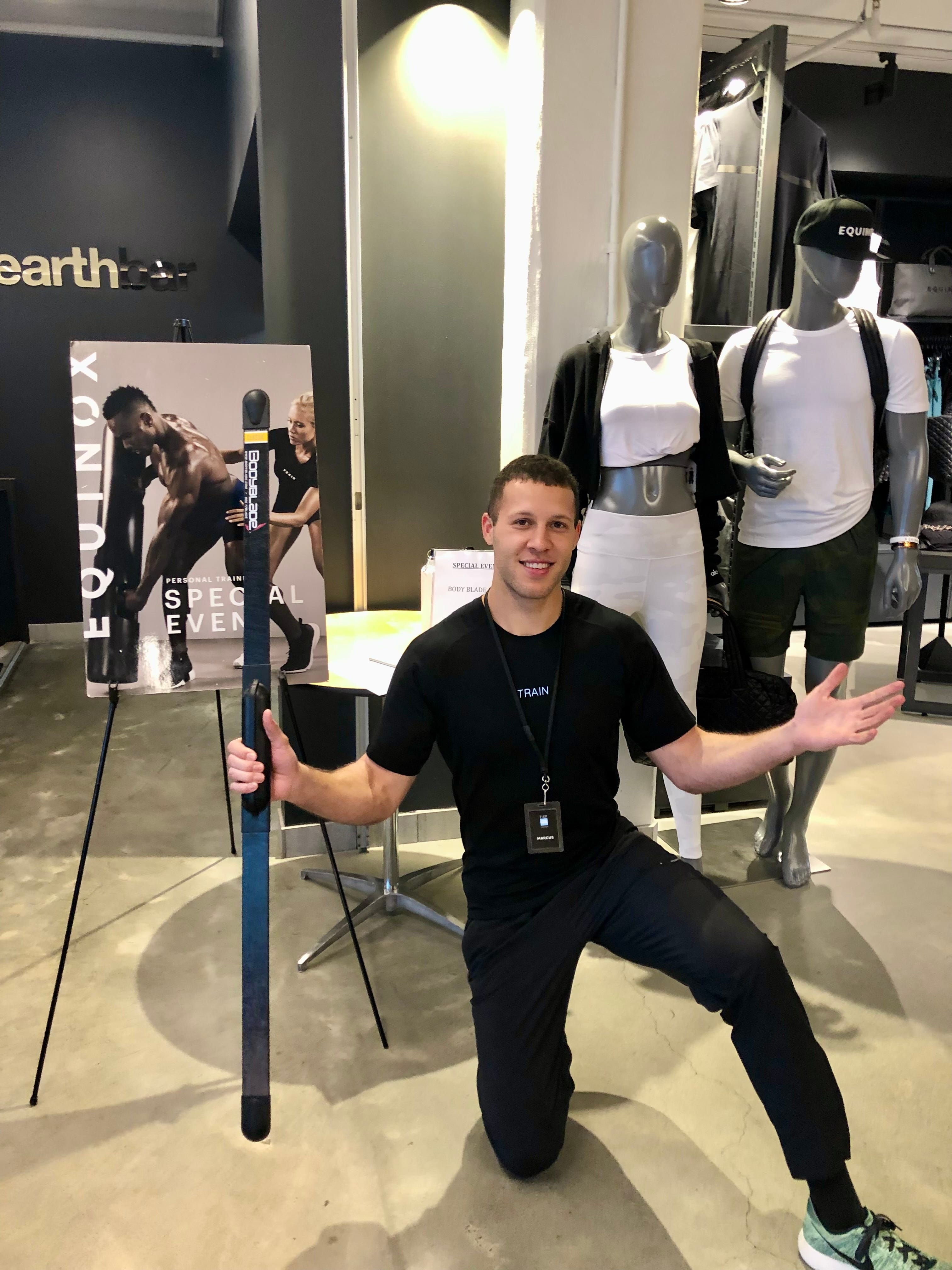
The Pandemic Perspective: A New Understanding
COVID-19 changed how I thought about health in a fundamental way.
I had always been interested in why some people struggle more than others. The pandemic made those patterns impossible to ignore. Who got sick and who did not, who could stay home and who could not, which communities were hit hardest and why — none of it was random.
That is when public health stopped being an abstract field and started being the most urgent thing I could think about. I enrolled in a Master of Public Health program and completed it virtually during lockdown.
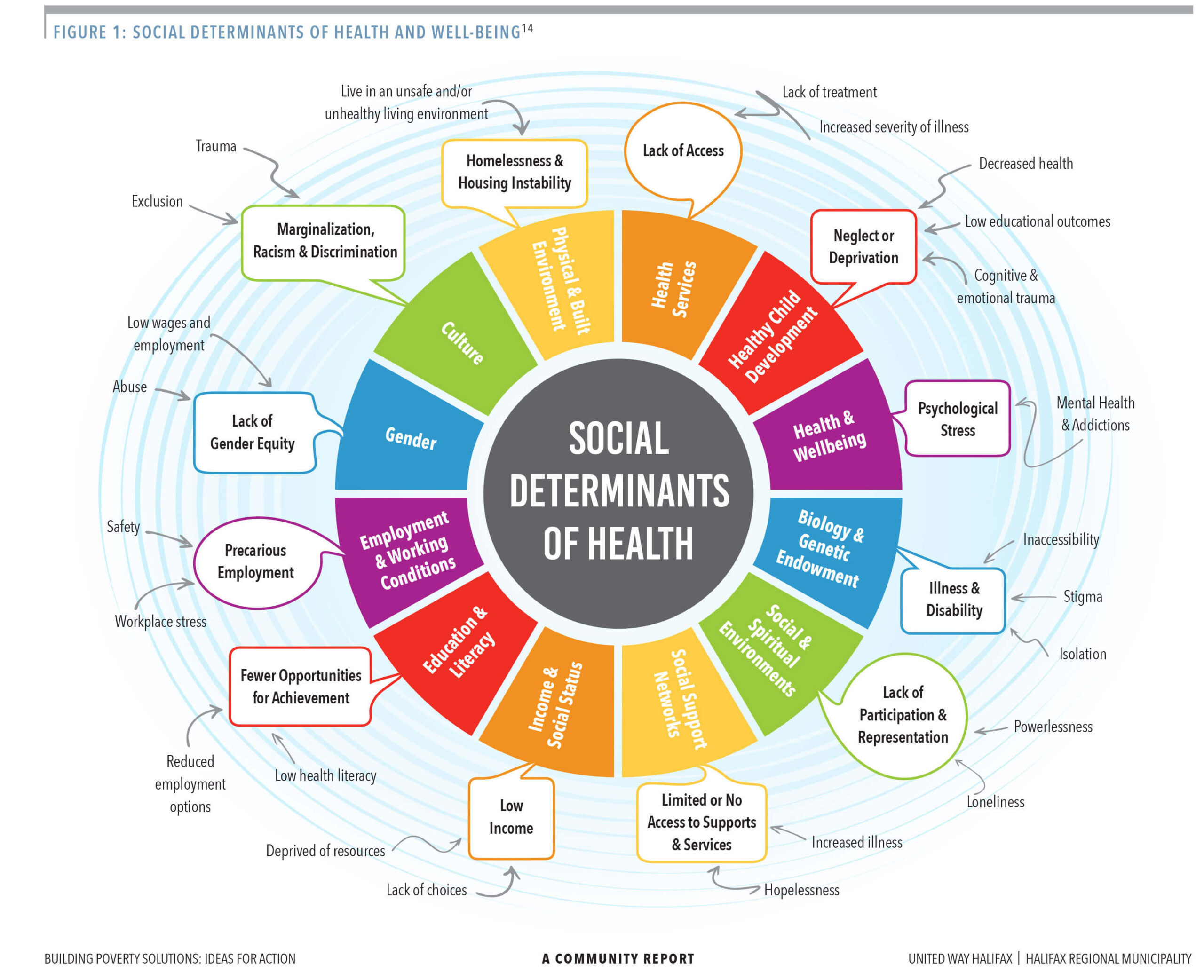
The Social Determinants of Health framework gave language to things I had sensed working with clients for years. The zip code point. The income point. The way environment shapes behavior more than willpower does. It all connected.
The Work Since Then
After my MPH I moved through several roles that each added a layer to how I think about health at scale.
Research assistant and health educator — working with high school students and trying to make public health feel relevant to their lives. Researcher at a county health department — focusing on COVID-19 health equity and conducting needs assessments for HIV and AIDS across two counties. Primary healthcare administrator — learning how health systems actually function from the inside, which is different from how they are described from the outside. Program coordinator for a youth empowerment organization — where the connection between mental health, physical wellness, and community support became impossible to separate.
Currently I work on improving adolescent mental health at the state level. The challenges are real — political constraints, limited resources, systems that move slowly. But the work matters and the people doing it are serious about it.
What Has Not Changed
The through line from seventh grade to now is the same question asked at different scales: how do people actually get healthier, and what gets in the way?
In a weight room, that question is personal. In public health, it is structural. Evolution of Wellness sits at the intersection of both — individual tools and guidance grounded in an understanding that individual choices happen within systems that either support or undermine them.
That is why The Reset Compass does not assume you have ideal circumstances. It meets you where you actually are. Free to start, with a premium option available for those who want more.
Marcus Clark is the founder of Evolution of Wellness LLC and holds a Master of Public Health degree. This post is for informational purposes and does not constitute medical advice. Always consult your healthcare provider for personalized guidance.
Get posts like this in your inbox.
Every five days. Research-backed. Free.
About the Author
Marcus Clark is the founder of Evolution of Wellness LLC. He holds a Master of Public Health degree and a Lean Six Sigma Yellow Belt certification, with a background spanning clinical rehabilitation, personal training (ACE certified), healthcare administration, behavioral health program coordination, and public health research. Evolution of Wellness was built on the principle that health knowledge is always evolving, and the guidance people receive should evolve with it.
This post is for informational purposes only and does not constitute medical advice. Always consult your healthcare provider before making changes to your health routine.