
Most people already know they should eat better. That is not the problem.
The problem is that knowing and doing are completely different things. Fast food is convenient. Processed food is engineered to be appealing. Cooking takes time you often do not have. And most nutrition advice is either too complicated to follow or too vague to be useful.
I spent most of my early twenties defaulting to whatever was easy — comfort food, takeout, whatever required the least thought after a long day. Over time I started paying more attention to how different foods made me feel, not just in the moment but the next day, the next week. The feedback loop became harder to ignore.
What I have learned is not a rigid diet system. It is a general direction. And general directions, applied consistently over years, make a significant difference.
A note before we get into it: I am not a registered dietitian, and this post is not a substitute for personalized nutrition guidance. If you have specific health conditions or dietary needs, a registered dietitian or your healthcare provider is the right resource.
Start with Whole Foods

The most consistent finding across nutrition research is also the least complicated: diets built around whole, minimally processed foods produce better health outcomes than diets built around processed and packaged foods. (Dietary Guidelines for Americans, 2020-2025)
Whole foods — fruits, vegetables, whole grains, lean proteins, legumes — provide the nutrients your body is actually designed to use. They tend to be more filling, support more stable energy levels, and reduce the chronic inflammation associated with long-term disease risk.
This does not mean every meal needs to be elaborate or perfectly balanced. It means that the more of your diet comes from foods that resemble something your great-grandparents would recognize, the better your body tends to respond.
Start with one meal. Add a vegetable. Swap refined grains for whole grains when the option is just as easy. Build from there.
Pay Attention to Added Sugars
Added sugars are one of the most significant drivers of poor diet quality in the United States, and they show up in places most people do not expect — flavored yogurts, sauces, salad dressings, granola bars, and foods often marketed as healthy.
The American Heart Association recommends no more than 36 grams of added sugar per day for men and 25 grams for women. The average American consumes nearly double that. (AHA, 2021) Excess added sugar is linked to increased risk of obesity, type 2 diabetes, cardiovascular disease, and fatty liver disease.
This does not mean eliminating every sweet thing from your life. It means being aware of where sugar is hiding in your regular diet and making small swaps where it is easy — sparkling water instead of soda, plain yogurt with fresh fruit instead of flavored varieties, reading labels on things you buy regularly.
Small reductions, applied consistently, add up over time.
Include Healthy Fats
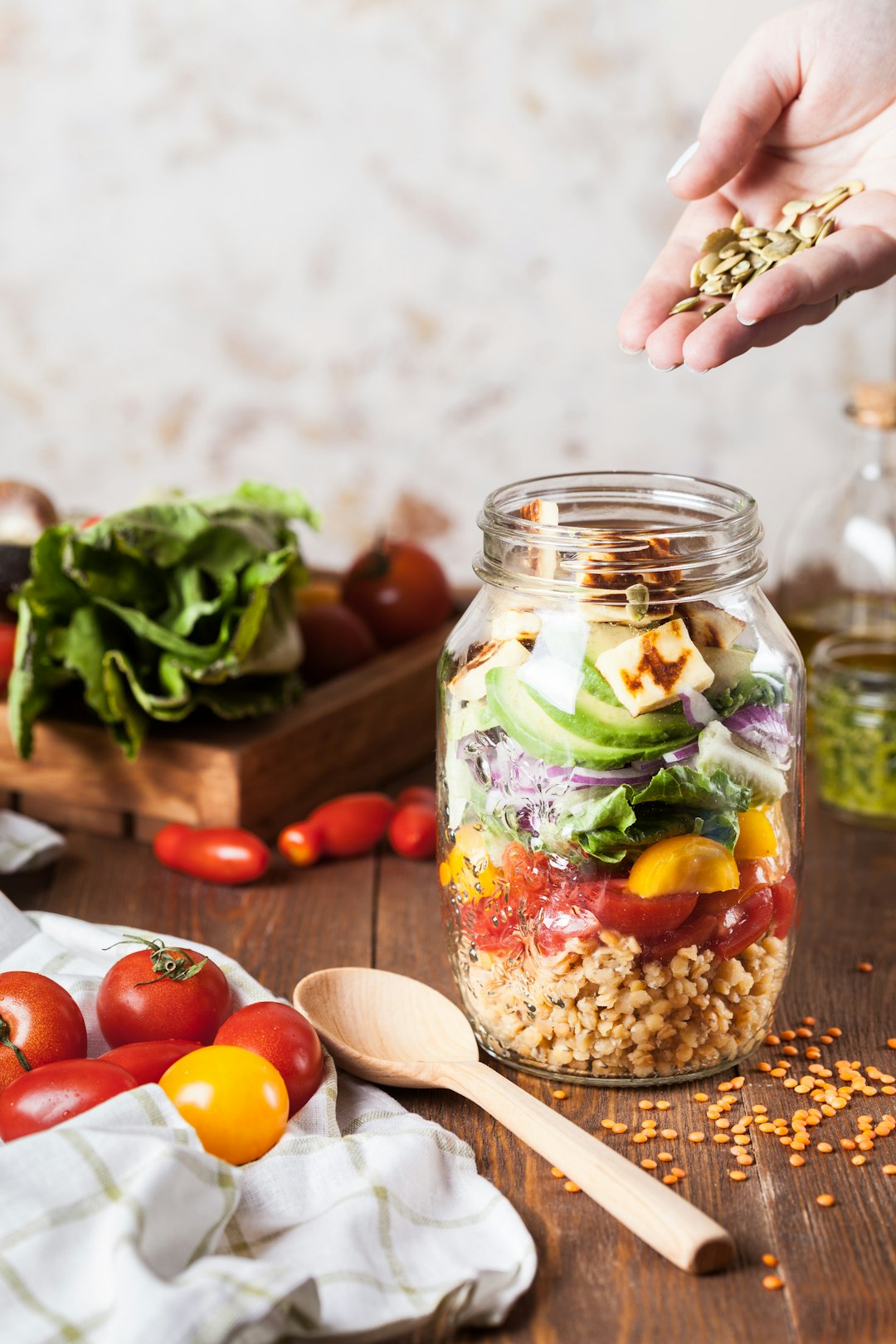
Dietary fat has been misunderstood for decades. Not all fats are the same, and avoiding fat entirely is not a health strategy.
Unsaturated fats — found in avocados, olive oil, nuts, seeds, and fatty fish like salmon — support brain function, cardiovascular health, and hormone regulation. Research consistently shows that replacing saturated and trans fats with unsaturated fats improves lipid profiles and reduces cardiovascular disease risk. (Sacks et al., Circulation, 2017)
Incorporating these fats does not require dramatic changes. Olive oil instead of butter for cooking. A handful of nuts as a snack. Salmon a couple times a week. These are small shifts that compound over time.
Mind Your Portions Without Obsessing Over Them
Portion awareness matters, but tracking every gram you eat is neither sustainable nor necessary for most people.
A more practical approach: serve yourself a reasonable portion, eat slowly enough to notice when you are actually full, and stop before you are stuffed. Research on mindful eating consistently shows that slowing down and paying attention to hunger and fullness cues reduces overall intake and improves diet satisfaction without requiring calorie counting. (Daubenmier et al., Appetite, 2016)
Eating without distractions — phone down, not working through lunch — makes a meaningful difference in how much you consume and how satisfied you feel afterward.
Plan Ahead for Your Worst Days
The decisions you make when you are hungry, tired, and pressed for time are mostly determined by what is available and what requires the least effort.
That is why environment matters more than willpower when it comes to nutrition. If your kitchen has pre-cut vegetables, easy protein options, and healthy snacks visible and accessible, you will eat better on hard days than if those things require effort to prepare.
A small amount of planning on the weekend — washing produce, prepping a protein, having simple go-to meals ready — removes the friction that drives you toward whatever is easiest in the moment.
Stay Hydrated

Mild dehydration is more common than most people realize and affects energy levels, cognitive function, and hunger signals. Thirst is often mistaken for hunger, leading to unnecessary snacking.
The general recommendation is around 8 cups of water per day for most adults, though needs vary by body size, activity level, and climate. (National Academies of Sciences, Engineering, and Medicine, 2004) Keeping water accessible throughout the day — a bottle on your desk, a glass with every meal — is the simplest way to stay on top of it.
Balance, Not Perfection
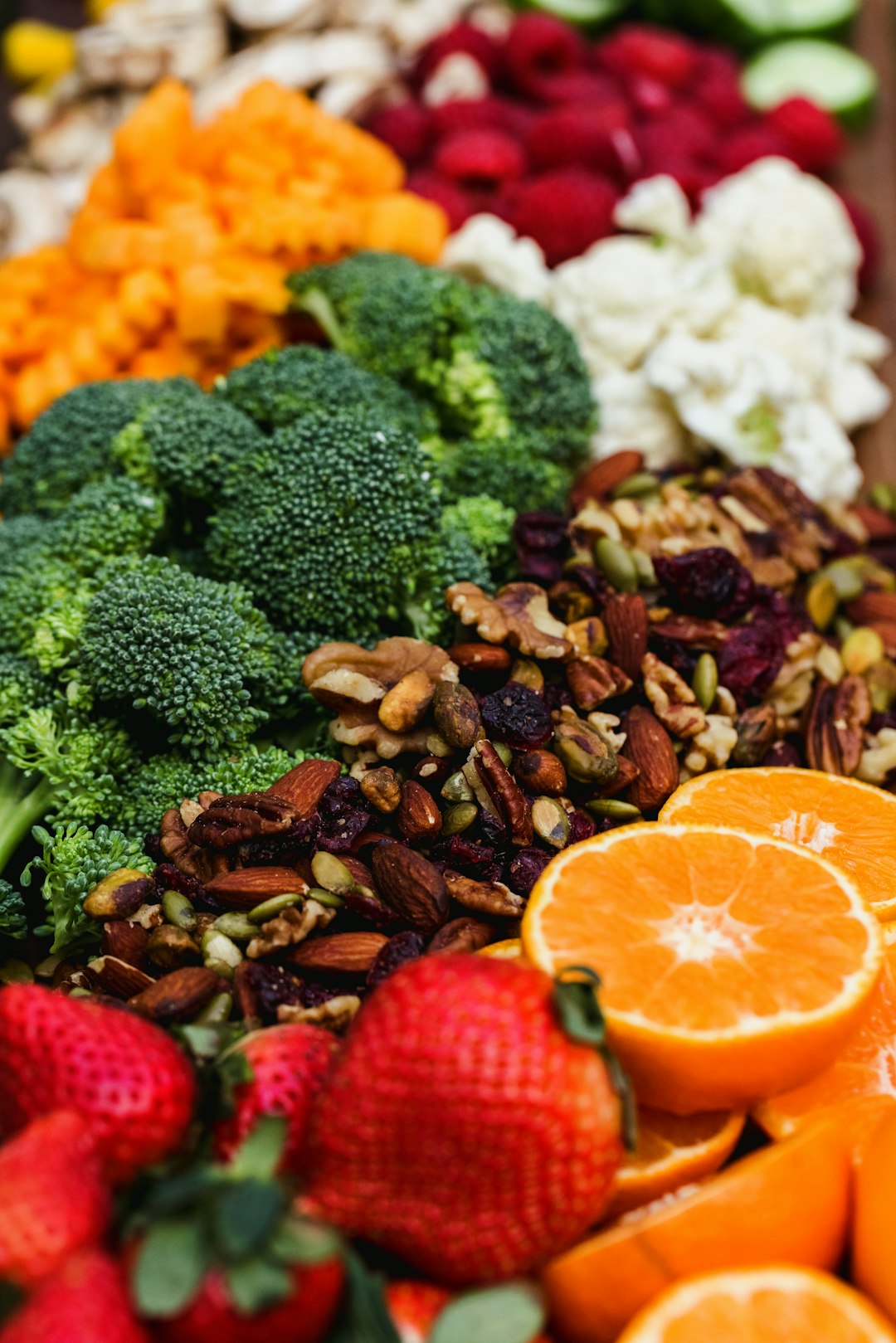
Sustainable healthy eating is not about eliminating everything you enjoy. It is about building a pattern that supports your health most of the time while leaving room for real life.
The people who maintain good nutrition long-term are not the ones who follow perfect diets. They are the ones who have a solid default pattern and do not spiral when they eat something off-plan. Flexibility and consistency together are more powerful than rigidity that eventually breaks down.
One small change is a better starting point than a complete overhaul. Add one vegetable. Cut one sugary drink. Drink one more glass of water. See how it feels. Build from there.
The Reset Compass works the same way. It does not ask you to be perfect. It gives you one realistic action based on where you actually are today. Free to start, with a premium option available for those who want more.
Marcus Clark is the founder of Evolution of Wellness LLC and holds a Master of Public Health degree. This post is for informational purposes and does not constitute medical or nutritional advice. Please consult a registered dietitian or your healthcare provider for personalized guidance.
Get posts like this in your inbox.
Every five days. Research-backed. Free.
About the Author
Marcus Clark is the founder of Evolution of Wellness LLC. He holds a Master of Public Health degree and a Lean Six Sigma Yellow Belt certification, with a background spanning clinical rehabilitation, personal training (ACE certified), healthcare administration, behavioral health program coordination, and public health research. Evolution of Wellness was built on the principle that health knowledge is always evolving, and the guidance people receive should evolve with it.
This post is for informational purposes only and does not constitute medical advice. Always consult your healthcare provider before making changes to your health routine.