
Most people think of diabetes as a diagnosis. A moment. You go in for a checkup, they run a blood test, and now you have it.
That is not how it works.
Type 2 diabetes, which accounts for 90 to 95 percent of all diabetes cases in the US, is the end of a process, not the beginning of one. (CDC, 2024) By the time someone gets that result, their blood sugar has been elevated long enough to cause real damage. To blood vessels. To nerves. To organs. The diagnosis is just the point where the numbers finally crossed a clinical threshold. The disease was already well underway.
This matters because it means the window to do something about it is not when you get diagnosed. It is years before that. And most people miss it completely.
The good news is that you have more control over this than you have probably been told.
The Number That Changes Everything
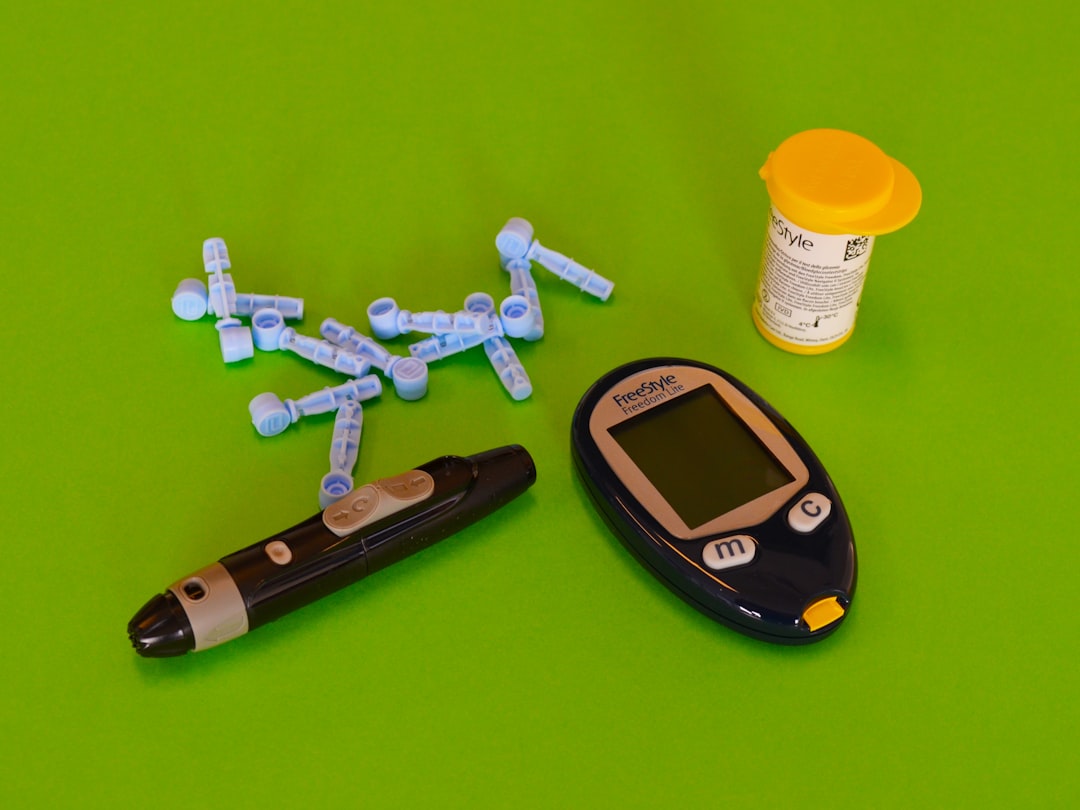
115.2 million American adults have prediabetes. 8 in 10 don’t know they have it. (CDC, 2026)
Let that land for a second. More than 2 in 5 American adults are walking around with blood sugar levels that are higher than normal, heading in a direction that causes real harm, and most of them have no idea.
Not because they are not paying attention. Because prediabetes produces zero symptoms. Nothing hurts. Nothing feels off. Your body is managing a glucose load it was not designed to handle long term, and it is doing it quietly enough that you have no clue.
This is not a reason to panic. It is a reason to get informed. Because prediabetes is reversible, and the research on what actually works is genuinely encouraging.
What Is Actually Happening In Your Body
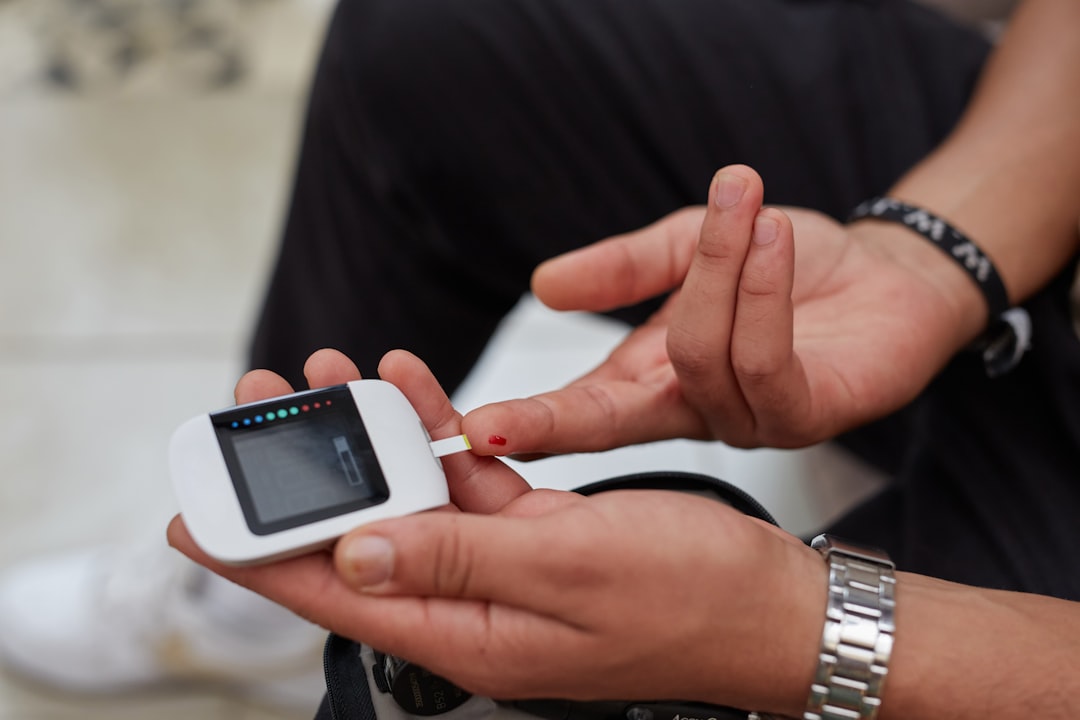
To understand why blood sugar becomes a problem, you need to understand one basic mechanism: insulin.
When you eat, your blood sugar rises. Your pancreas responds by releasing insulin, which acts like a key that unlocks your cells and allows glucose to enter and be used for energy. When that system is working well, blood sugar rises, insulin responds, glucose gets used, blood sugar comes back down.
The problem develops when blood sugar spikes too frequently, too high, for too long. Over time your cells become less responsive to insulin. The pancreas compensates by producing more of it. Eventually the pancreas cannot keep up, and blood sugar stays elevated even when you have not eaten recently. That is insulin resistance, and it is the core mechanism behind both prediabetes and type 2 diabetes.
The factors that drive insulin resistance are well established. Excess body fat particularly around the abdomen. Physical inactivity. Chronic poor sleep. Ongoing stress. A diet heavy in refined carbohydrates and ultra-processed food. None of these are rare conditions. They describe daily life for a significant portion of the population. They also describe factors that are largely within your control.
Why Waiting For a Diagnosis Is the Wrong Strategy
The clinical cutoffs that define a diabetes diagnosis are useful for determining when to treat. They are not useful for prevention.
Waiting until someone crosses that threshold to take action is like waiting until your car breaks down to check if it needs oil. The damage accumulates long before anyone gives it a name.
Research shows that vascular damage associated with elevated blood sugar begins in the prediabetic range, well before the numbers hit diabetic thresholds. (American Heart Association, 2024) People with prediabetes already face elevated cardiovascular risk even if they never progress to a full diagnosis. This is not meant to frighten you. It is meant to make the case that earlier is better, and earlier is exactly where you have the most power.
Have you had your fasting blood glucose or HbA1c checked recently? If not, that one question is worth sitting with.
What the Research Actually Shows You Can Do
Here is where I want you to pay close attention, because this part tends to get buried under the scary statistics.
The landmark Diabetes Prevention Program study found that people at high risk for type 2 diabetes could prevent or delay the disease by losing a modest amount of weight through lifestyle changes, specifically dietary changes and increased physical activity. For adults 60 and older, the program lowered the chances of developing type 2 diabetes by 71 percent. (NIH)
The goals were a 7 percent reduction in body weight and 150 minutes of physical activity per week, which resulted in a 58 percent reduction in the rate of diabetes.
Not a drug. Not surgery. Not a complete overhaul. Consistent movement and slightly better food quality.
The mechanisms are straightforward. Physical activity increases insulin sensitivity, meaning your cells respond better to the insulin your body is already producing. Reducing ultra-processed food and refined carbohydrates lowers the frequency and intensity of blood sugar spikes. Better sleep improves glucose regulation through multiple hormonal pathways. Stress reduction lowers cortisol, which directly affects blood sugar levels.
These are not complicated interventions. They are consistent ones. And they work whether you are starting from scratch or picking back up after a long gap.
Where to Start If This Feels Like a Lot

You do not need to fix everything at once. That approach tends to lead nowhere.
Pick one thing. The most accessible one, not the most ambitious one. Here are three that the research supports most consistently:
Add a 10 to 15 minute walk after your largest meal of the day. Post-meal movement is one of the most effective tools for reducing blood sugar spikes. It requires no gym, no equipment, and no dramatic schedule change.
Look at what you are drinking. Sugary drinks, including juice and sweetened coffee, are one of the fastest drivers of blood sugar spikes and insulin resistance. Replacing one a day with water is a real change.
Prioritize sleep. This one is underestimated. Sleep deprivation impairs insulin sensitivity within days. Seven to nine hours is not a luxury. It is a metabolic intervention.
What is one of these you could realistically start this week? Seriously, think about it. Not the one you think you should do. The one you would actually do.
If you want help figuring out where to begin based on how you actually feel today, The Reset Compass is a free tool built for exactly that moment. No account required. No program to follow.
Type 2 diabetes is not inevitable. But it requires your attention before it demands it. And the earlier you engage, the more you get to decide how this goes.
About the Author
Marcus Clark is the founder of Evolution of Wellness LLC and holds a Master of Public Health degree. He has a background in physical therapy and personal training with a focus on chronic disease prevention. Evolution of Wellness was built on the principle that health knowledge is always evolving, and the guidance people receive should evolve with it.
Marcus Clark is the founder of Evolution of Wellness LLC and holds a Master of Public Health degree. This post is for informational purposes and does not constitute medical advice. Always consult your healthcare provider for personalized guidance.
Get posts like this in your inbox.
Every five days. Research-backed. Free.
About the Author
Marcus Clark is the founder of Evolution of Wellness LLC. He holds a Master of Public Health degree and a Lean Six Sigma Yellow Belt certification, with a background spanning clinical rehabilitation, personal training (ACE certified), healthcare administration, behavioral health program coordination, and public health research. Evolution of Wellness was built on the principle that health knowledge is always evolving, and the guidance people receive should evolve with it.
This post is for informational purposes only and does not constitute medical advice. Always consult your healthcare provider before making changes to your health routine.