
When organizations think about improving health outcomes, they tend to think big. Company-wide wellness initiatives. All-hands challenges. Campaigns that reach everyone at once. The logic seems sound: more people means more impact, right?
The research tells a different story. When it comes to actually changing behavior and improving health, small groups of 3 to 5 people consistently outperform large-scale programs. Not by a little. By a lot.
This is not intuitive. We are conditioned to believe that scale equals impact. But for health behavior change, intimate beats massive every single time.
What the Research Shows

Studies on social support and health behavior change reveal something consistent: small, cohesive groups produce significantly better outcomes than large programs or individual efforts.
Weight loss research comparing group-based interventions to individual counseling shows that people in small groups lose more weight and maintain it longer. Group participants are roughly 20 percent more successful at maintaining weight loss after one year compared to those working individually. (Wing and Jeffery, Journal of Consulting and Clinical Psychology, 1999)
Exercise adherence follows the same pattern. People who commit to working out with a small group of peers show up more consistently and stick with it longer than those trying to exercise alone or as part of large fitness programs. The accountability of showing up for 3 to 4 specific people matters more than any motivation you can generate solo. (Carron et al., Sport and Exercise Psychology Review, 2007)
Smoking cessation programs with small group support show higher quit rates than individual counseling or large group sessions. The tight social bonds and mutual accountability in small groups create pressure and support that individual willpower cannot match. (Lancaster and Stead, Cochrane Database of Systematic Reviews, 2017)
Even in diabetes management and chronic disease control, small group interventions produce better clinical outcomes than standard individual care. Blood sugar control, medication adherence, and self-care behaviors all improve when people are embedded in small, supportive groups. (Piette et al., Diabetes Care, 2011)
The pattern is clear across different health behaviors: small groups work better than going it alone or being part of massive initiatives.
Why Small Groups Work
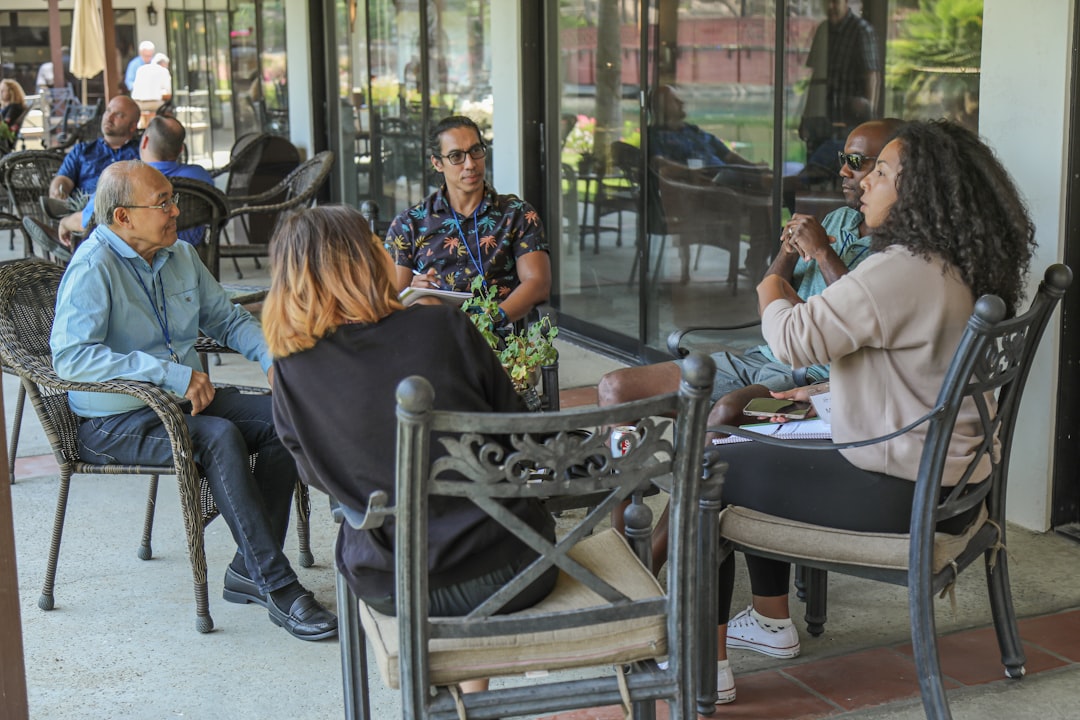
The effective range seems to be 3 to 5 people. Small enough that everyone knows each other personally. Small enough that you cannot hide or coast. Small enough that your absence is noticed and your presence matters.
Accountability becomes personal. In a company-wide challenge, skipping a workout means you are one anonymous data point in a sea of participants. In a group of four, skipping means letting down people who know your name and are expecting you to show up. That difference matters enormously.
Social comparison is manageable. Comparing yourself to hundreds of people is paralyzing. Some are excelling, making you feel inadequate. Some are struggling more than you, which might feel reassuring but does not motivate improvement. But comparing yourself to 3 to 4 peers creates healthy competition and realistic benchmarks. You can see their struggles and successes up close, which makes progress feel achievable.
Trust develops quickly. Large groups stay superficial. Small groups can get real. When there are only a few people, you can share actual struggles, admit failures, and ask for help without feeling exposed to a crowd. That vulnerability is where real support happens.
Coordination is simple. Try scheduling something with 50 people. Now try scheduling with 4 people. The logistics of staying connected, checking in, and maintaining momentum are exponentially easier in small groups. Less coordination friction means more actual action.
Social proof is powerful. When someone in your small group makes a change, you see it happening in real time. You watch them struggle, figure it out, and succeed. That is infinitely more motivating than reading about strangers’ success stories. It proves that change is possible for people like you, in circumstances like yours. Research on social influence confirms that observing similar others succeed is one of the most reliable ways to build self-efficacy and sustain behavior change. (Bandura, Health Education and Behavior, 1998)
What Kills Large Programs

Company-wide wellness programs fail for predictable reasons, many of which are avoided in small groups.
Anonymity breeds disengagement. When you are one of hundreds or thousands, your participation does not feel meaningful. Missing a day does not matter because 300 other people are still showing up. That diffusion of responsibility kills sustained effort. Research on social loafing confirms that individual effort decreases as group size increases, particularly when individual contributions are not identifiable. (Karau and Williams, Journal of Personality and Social Psychology, 1993)
One-size-fits-all does not fit anyone. Large programs have to be generic enough to apply to everyone, which means they do not specifically help anyone. Small groups can customize their approach based on what their specific members need.
There is no real social support. Large programs might have forums or chat channels, but they do not create genuine relationships. You are interacting with strangers. That is fundamentally different from being accountable to people who actually know you and care whether you succeed.
Motivation is external and temporary. Large programs often rely on prizes, competitions, or external motivators. These might create a burst of engagement, but they do not build intrinsic motivation or lasting habits. Small groups create internal motivation through relationships and social bonds that persist even after formal programs end. (Deci and Ryan, Psychological Inquiry, 2000)
Building Effective Small Pods

If small groups are so effective, why do not more organizations and individuals use them?
Often it is because they do not know how. Creating a small health pod is not complicated, but it requires intentionality.
Keep it truly small. Three to five people is ideal. Six is pushing it. Seven or more and you start losing the intimacy and personal accountability that make small groups effective.
Match on commitment level, not fitness level. Do not group the most fit people together and beginners together. Group people who have similar commitment to showing up and supporting each other. A beginner who is all-in can absolutely partner with someone more advanced. Mismatched commitment levels are what kill groups.
Set clear, shared goals. The group needs to know what they are working toward together. This does not have to be identical individual goals, but there should be a shared purpose that connects everyone.
Build in regular check-ins. Daily might be too much. Weekly might not be enough. Find the rhythm that keeps people connected without becoming burdensome. This could be a quick group text, a shared tracker, or a regular meetup.
Allow for flexibility. Life happens. People miss sessions. The group needs to be resilient enough to survive imperfect participation. Rigidity kills longevity. Support through rough patches is what makes groups valuable.
Celebrate small wins together. This is not about waiting for major transformations. It is about acknowledging when someone showed up on a hard day, tried something new, or made progress on their specific goal. Those moments of recognition compound into sustained motivation.
Starting Your Own Pod
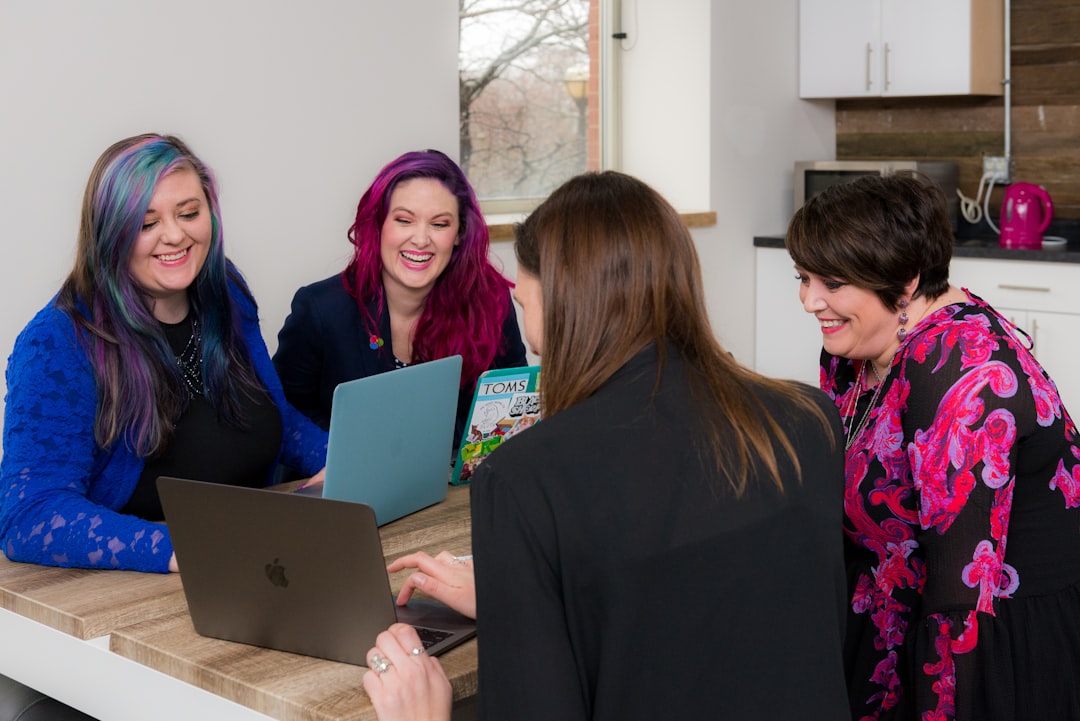
You do not need organizational approval or formal structure to create a small health pod. You just need a few people who want to improve their health and are willing to support each other.
Find 2 to 4 people who share a general health goal. Maybe you all want to move more. Or eat better. Or manage stress. The specifics can vary, but the direction should be similar.
Decide how you will stay connected. Group text. Weekly meetup. Shared calendar. Whatever works for your collective schedules and preferences.
Start small with expectations. Do not commit to daily hour-long workouts together if that is not sustainable. Commit to something manageable and build from there.
Be honest about struggles. The value of the group is in the real support, not in pretending everything is perfect. Share what is hard. Ask for help. Celebrate when things work.
Adjust as you go. Some structures will work better than others. That is fine. The goal is finding what keeps your specific group engaged and moving forward.
The Compound Effect of Small Groups

Here is what happens over time in effective small pods:
People show up more consistently because they are accountable to specific individuals, not abstract goals. That consistency leads to habit formation.
The group develops shared knowledge and strategies. When one person figures something out, everyone benefits. The collective learning accelerates individual progress.
Relationships deepen. What started as a health accountability group often becomes a genuine support system that extends beyond health into other areas of life.
Success builds momentum. When group members see each other making progress, it reinforces that change is possible and worth the effort.
None of this happens in large-scale programs. It requires the intimacy and accountability of small groups.
Scale Through Pods, Not Programs
If you are thinking about health improvement at an organizational level, the answer is not bigger programs. It is creating conditions that allow multiple small pods to form and thrive.
Instead of one company-wide initiative, support the formation of dozens of small groups. Provide resources they can use, but let them self-organize around shared interests and goals.
The impact is greater, the engagement is higher, and the results actually last.
For individual health improvement, the principle is the same. Find your small group. Build real relationships around shared goals. Support each other through the messy middle. That is where sustainable change happens.
The Reset Compass is designed to support exactly this kind of approach. Whether you are working alone or with a small group, it gives everyone a realistic daily step that fits their current state. Free to start, with a premium option available for those who want more.
Get posts like this in your inbox.
Free. No spam. Unsubscribe anytime.
Marcus Clark is the founder of Evolution of Wellness LLC and holds a Master of Public Health degree. This post is for informational purposes and does not constitute medical advice. Always consult your healthcare provider for personalized guidance.
Get posts like this in your inbox.
Every five days. Research-backed. Free.
About the Author
Marcus Clark is the founder of Evolution of Wellness LLC. He holds a Master of Public Health degree and a Lean Six Sigma Yellow Belt certification, with a background spanning clinical rehabilitation, personal training (ACE certified), healthcare administration, behavioral health program coordination, and public health research. Evolution of Wellness was built on the principle that health knowledge is always evolving, and the guidance people receive should evolve with it.
This post is for informational purposes only and does not constitute medical advice. Always consult your healthcare provider before making changes to your health routine.