
Health equity is not a topic most people think about unless they work in public health or social justice. If you are healthy, have access to healthcare, and live in a safe neighborhood with resources, it is easy to assume everyone else has similar opportunities.
But health equity — or more accurately the lack of it — affects everyone. Not just the people experiencing health disparities. When large portions of the population lack access to basic health resources, when preventable diseases go untreated, when social and economic factors create vast differences in health outcomes, the entire system suffers.
From a public health perspective, health equity is not just a moral issue. It is a practical one that impacts public health infrastructure, economic productivity, and community resilience.
What Health Equity Actually Means

Health equity means everyone has a fair opportunity to be as healthy as possible. Not that everyone has the same health outcomes, since genetics and personal choices vary. But that factors outside individual control — like race, socioeconomic status, geography, or discrimination — do not systematically disadvantage certain groups.
Right now, we do not have health equity. The data is clear and consistent across multiple measures.
Life expectancy varies significantly by race, income, and zip code. Black Americans have a life expectancy roughly three to four years shorter than white Americans. People in poor counties live approximately five to seven years less than people in wealthy counties. Within cities, life expectancy can vary by more than 20 years between neighborhoods just miles apart. (Chetty et al., JAMA, 2016)
Access to healthcare varies drastically. People without insurance delay care, skip preventive services, and have worse outcomes when they do seek treatment. Rural areas often lack basic healthcare facilities. Even with insurance, cost barriers prevent many from accessing needed care. (Sommers et al., New England Journal of Medicine, 2017)
Maternal mortality rates show stark racial disparities. Black women are two to three times more likely to die from pregnancy-related causes than white women, regardless of education or income level. This gap has widened in recent years despite medical advances. (Petersen et al., Morbidity and Mortality Weekly Report, CDC, 2019)
Chronic disease rates are higher in disadvantaged populations. Diabetes, heart disease, obesity, and other conditions follow patterns of poverty and systemic disadvantage. These are not just individual choices. They are shaped by environmental and social factors. (Braveman et al., Health Affairs, 2011)
Why This Matters for Everyone

If you are healthy and have access to resources, you might wonder why health equity should concern you. Several reasons.
Public health infrastructure depends on population-level health. When large portions of the population lack access to preventive care, diseases spread more easily. We saw this clearly during COVID-19. Communities with limited healthcare access became hotspots that affected surrounding areas. Communicable diseases do not respect economic or geographic boundaries. Research on COVID-19 outcomes confirmed that communities with greater pre-existing health disparities experienced significantly higher infection and mortality rates. (Price-Haywood et al., New England Journal of Medicine, 2020)
Healthcare costs are driven up for everyone. When people cannot access preventive care and delay treatment until conditions become emergencies, costs skyrocket. Emergency room visits for preventable conditions are expensive. Treating advanced diseases costs more than preventing them. These costs get distributed across the entire healthcare system through higher insurance premiums and taxes. The cost of health disparities in the United States has been estimated at over $320 billion annually in direct medical costs alone. (LaVeist et al., Milken Institute, 2023)
Economic productivity suffers. Poor health outcomes mean more people unable to work, more missed work days, lower productivity, and decreased economic output. This affects the overall economy, not just the individuals experiencing health problems. Communities with better health outcomes consistently show stronger local economic performance. (Muennig and Glied, Health Affairs, 2010)
Social stability and community health are connected. Communities with large health disparities often have other compounding social problems. Crime, poverty, and poor health cluster together. Creating healthier, more equitable communities benefits everyone who lives in or near them.
The Drivers of Health Inequity

Understanding what causes health inequity helps clarify why individual behavior change alone is not the solution.
Systemic racism and discrimination. Historical policies like redlining created segregated neighborhoods with vastly different resources. Ongoing discrimination in healthcare, education, housing, and employment continues to create disadvantages that affect health. These are structural issues, not individual ones. (Bailey et al., The Lancet, 2017)
Economic inequality. Poverty directly impacts health through stress, inadequate nutrition, unsafe housing, and lack of healthcare access. The growing wealth gap means these impacts are intensifying. Economic policies that increase inequality worsen health inequity.
Unequal distribution of resources. Wealthy areas get better schools, safer streets, more parks, better grocery stores, and better healthcare facilities. Poor areas get the opposite. These environmental factors shape health outcomes more than individual choices do. (Robert Wood Johnson Foundation, County Health Rankings, 2023)
Lack of political power in disadvantaged communities. Communities that lack political representation and economic power cannot advocate effectively for resources and policies that support health. This perpetuates the cycle of disadvantage.
Healthcare system design. The U.S. healthcare system ties insurance to employment, making coverage unstable. It is fragmented, difficult to navigate, and expensive even for insured people. These design features create inequities in access and outcomes.
What Individuals Can Do

Health equity requires systemic solutions, but individuals can contribute to progress.
Support policies that address social determinants of health. Affordable housing, living wages, quality education, healthcare access. These are not just social issues. They are health issues. Policies that address these factors improve health equity. Research on policy-level interventions consistently shows that upstream social and economic changes produce larger population health gains than downstream individual behavior interventions. (Frieden, American Journal of Public Health, 2010)
Advocate for resources in underserved communities. Parks, grocery stores, healthcare facilities, safe streets. Support investments that give disadvantaged communities resources that wealthier areas take for granted.
Understand your own advantages and work to extend them. If you have good healthcare access, live in a safe neighborhood, and have economic security, recognize these as advantages not available to everyone. Use your voice and resources to help others gain similar access.
Build connections across divides. Segregation, both economic and racial, allows inequity to persist because people do not see its effects. Cross-community connections build understanding and support for change.
Create inclusive environments. In workplaces, schools, and organizations. Environments that support health for everyone, not just people with resources. This means flexible policies, accessible resources, and removing barriers.
The Community Approach
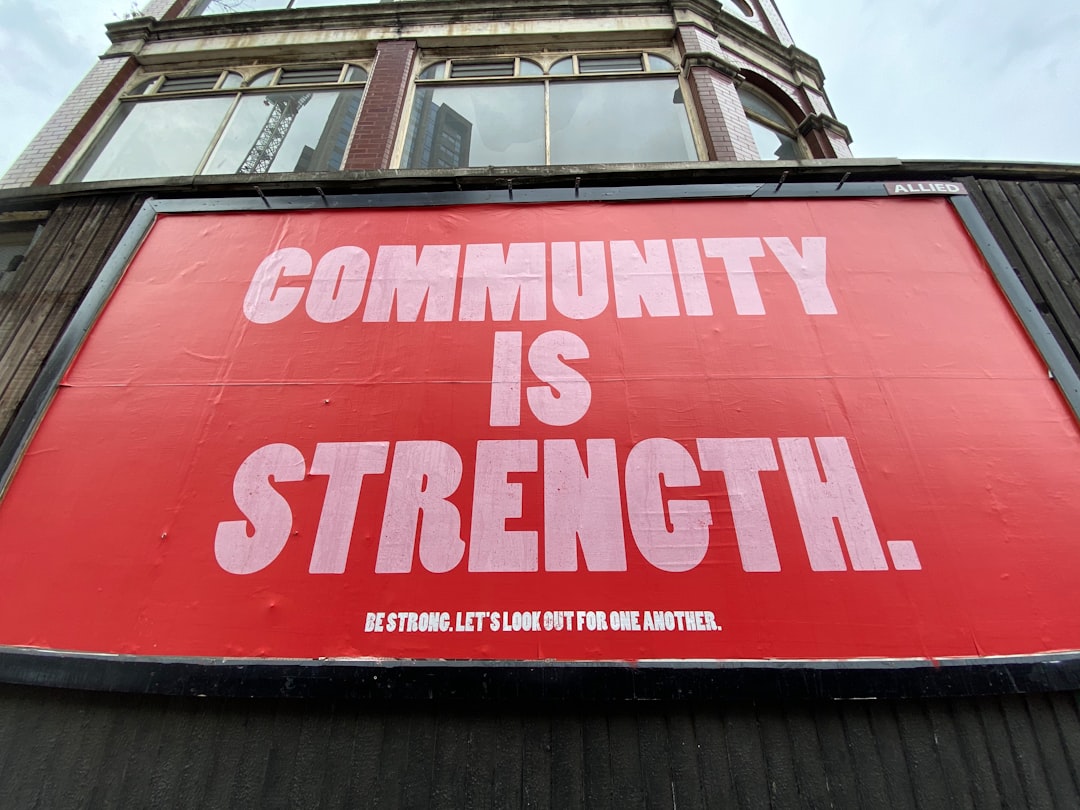
The most effective progress on health equity happens at the community level with community involvement.
Top-down solutions designed by outsiders often miss the mark. Communities experiencing health inequities know what they need better than external experts do. Supporting community-led initiatives and giving communities resources and power to address their own health challenges produces better results than imposed solutions. (Minkler and Wallerstein, Community-Based Participatory Research for Health, 2011)
This means funding community health centers, supporting local organizations, ensuring communities have voice in decisions that affect them, and building health infrastructure where it is needed most.
Why This Should Matter to You

Even if you are personally healthy and advantaged, health inequity creates a less healthy, less stable, and less prosperous society for everyone. Addressing it makes communities stronger, healthcare more efficient, and society more resilient.
It is not charity or altruism to care about health equity. It is enlightened self-interest. Everyone benefits when more people have access to what supports health.
From a public health perspective, we cannot achieve population health when large segments of the population lack basic resources and face systemic barriers. Individual health advice is important, but it is insufficient when environmental and social factors are working against people.
Creating environments where health is possible for everyone requires addressing equity. Not just telling people to make better choices, but ensuring they have actual choices to make.
The Reset Compass takes a small step toward equity by being free to start and designed to work regardless of resources. It does not assume you have a gym membership, a personal trainer, or ideal circumstances. It meets you where you are. But broader change requires systemic action to give everyone better conditions to work within. A premium option is available for those who want more.
Marcus Clark is the founder of Evolution of Wellness LLC and holds a Master of Public Health degree. This post is for informational purposes and does not constitute medical advice. Always consult your healthcare provider for personalized guidance.
Get posts like this in your inbox.
Every five days. Research-backed. Free.
About the Author
Marcus Clark is the founder of Evolution of Wellness LLC. He holds a Master of Public Health degree and a Lean Six Sigma Yellow Belt certification, with a background spanning clinical rehabilitation, personal training (ACE certified), healthcare administration, behavioral health program coordination, and public health research. Evolution of Wellness was built on the principle that health knowledge is always evolving, and the guidance people receive should evolve with it.
This post is for informational purposes only and does not constitute medical advice. Always consult your healthcare provider before making changes to your health routine.