
Most people think of heart disease as something that happens suddenly. A heart attack. An emergency. Something that arrives without warning.
That is not how it works.
Heart disease builds slowly. Quietly. Over years and decades of daily choices and conditions that most people never connect to their heart. By the time someone ends up in an ambulance, the process started long before. Sometimes ten years earlier. Sometimes twenty.
I saw this pattern repeatedly working in clinical settings. People coming in after a cardiac event, and when you look at their history, the warning signs were there for a long time. The problem is that nothing hurt until everything hurt.
This is both the problem and the opportunity. Because if it builds slowly, it can also be slowed. Interrupted. Sometimes reversed. But only if you understand what is actually driving it.
The Number You Need to Know First
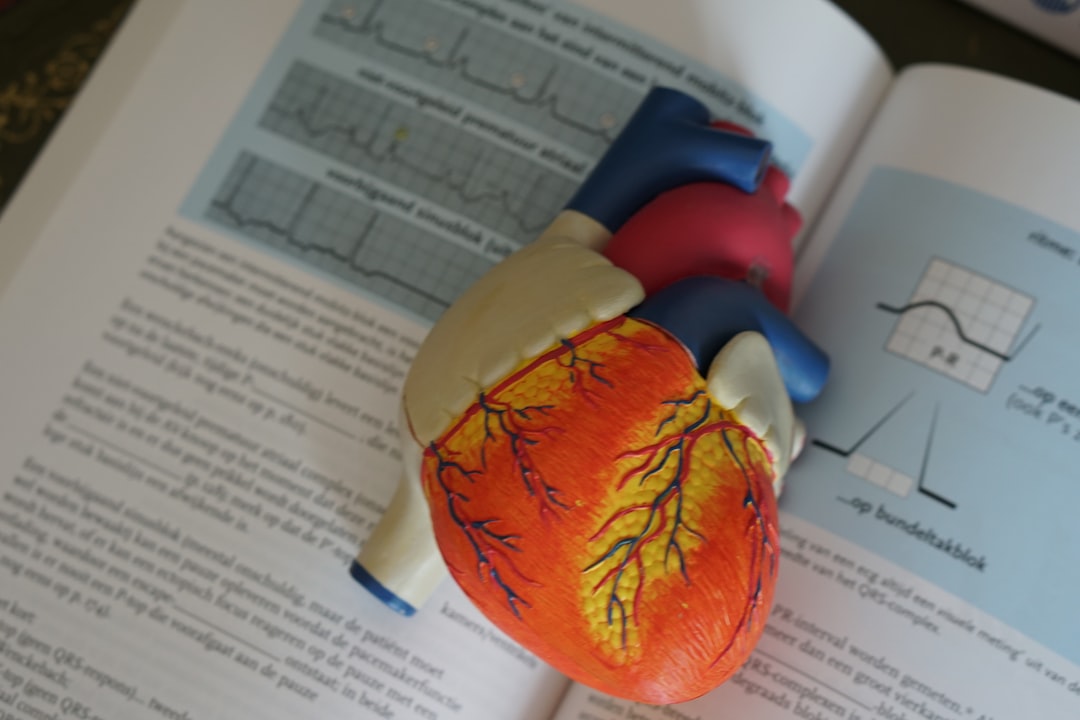
Heart disease is the leading cause of death in the United States. It kills approximately 695,000 Americans every year — that is one person every 33 seconds. (CDC, 2024)
It is not close. Heart disease kills more people than cancer, more than accidents, more than COVID-19 at its peak. It has been the number one killer in this country for over a hundred years. (CDC, 2024)
And yet most people spend more time thinking about rare diseases than they do about the one most likely to kill them.
That disconnect is worth sitting with.
What Actually Causes It
The clinical term is coronary artery disease. It happens when plaque made up of cholesterol, fat, calcium, and other substances builds up inside the walls of the arteries that supply blood to your heart. Over time, that buildup narrows the arteries, restricts blood flow, and can eventually cause a blockage.
But plaque does not appear out of nowhere. It builds in response to certain conditions. And those conditions are almost entirely shaped by how we live.
Here are the primary drivers:
High blood pressure. When blood pressure stays elevated over time, it damages the inner walls of arteries. Damaged walls are where plaque accumulates. Nearly half of American adults have high blood pressure, and most do not know it because it produces no symptoms. (American Heart Association, 2024) It is called the silent killer for a reason.
High LDL cholesterol. LDL is the type most associated with plaque buildup. It is directly linked to diet, physical inactivity, and genetics. When it stays elevated, it deposits into artery walls and the body responds with inflammation, which accelerates the process. (American Heart Association, 2024)
Chronic inflammation. Inflammation is a normal immune response. Chronic inflammation — the kind that never fully turns off — is a different situation entirely. It damages blood vessels, destabilizes existing plaque deposits, and dramatically increases heart attack risk. Chronic stress, poor sleep, processed food, and physical inactivity are the main drivers. (National Institutes of Health, 2023)
Physical inactivity. The heart is a muscle. Like any muscle, it needs to be worked. Inactivity weakens the heart, raises blood pressure, raises cholesterol, promotes inflammation, and increases the risk of obesity and diabetes, which both compound heart disease risk further. About 80 percent of adults do not meet basic physical activity guidelines. (CDC, 2023)
Blood sugar dysregulation. High blood sugar damages blood vessel walls directly. People with diabetes are two to four times more likely to develop heart disease. (American Heart Association, 2024) But blood sugar problems exist on a spectrum, and millions of people are in a pre-diabetic range without knowing it, experiencing the same vascular damage with none of the diagnosis.
Smoking. Damages artery lining, raises blood pressure, lowers protective cholesterol, and promotes clotting. One of the most powerful modifiable risk factors there is. Quitting at any age reduces risk measurably within months. (CDC, 2024)
The Part Most People Miss
None of these risk factors exist in isolation. They compound each other.
High blood pressure plus high cholesterol plus chronic inflammation is not three separate problems. It is a system under stress, and each factor makes the others worse. This is why heart disease risk is not linear. Two risk factors do not double your risk. They can multiply it.
It is also why small consistent changes matter more than dramatic ones. Addressing one risk factor tends to improve the others. Better sleep reduces inflammation and blood pressure. Regular movement improves cholesterol, blood sugar, and blood pressure simultaneously. Stress management reduces cortisol, which reduces inflammation, which protects your arteries.
The system works in both directions.
What Prevention Actually Looks Like

Heart disease prevention is not a dramatic intervention. It is not a detox or a 30-day challenge. It is a collection of daily actions that reduce the load on your cardiovascular system over time.
The research is consistent on what those actions are:
Move your body at a moderate intensity for at least 150 minutes per week. Walking counts. It always has. (U.S. Department of Health and Human Services, Physical Activity Guidelines for Americans, 2018)
Eat in a way that supports your blood vessels. Less ultra-processed food, more whole food, more vegetables, more fiber. This does not require a specific diet. It requires a general direction.
Manage stress in some intentional way. Your nervous system and your cardiovascular system are not separate. What affects one affects the other.
Sleep 7 to 9 hours. Sleep debt raises blood pressure, increases inflammation, and disrupts blood sugar regulation. (National Sleep Foundation, 2023) I used to underestimate this one until the research made it impossible to ignore.
Know your numbers. Blood pressure, cholesterol, blood sugar, and resting heart rate are all measurable. If you do not know yours, that is the first step.
Do not smoke. If you do, every day you quit is a day your risk decreases.
A Note on Genetics
Family history of heart disease does increase your risk. This is real and worth knowing. But it does not make prevention irrelevant. Research consistently shows that lifestyle factors modify genetic risk substantially. (American Heart Association, 2023) Having a family history is a reason to take prevention more seriously, not a reason to accept an outcome as inevitable.
Where to Start
You do not need to overhaul your life to reduce your heart disease risk. You need to move in the right direction consistently.
Pick one thing from the list above that feels manageable today. Not the hardest one. The easiest one. Do it for two weeks before adding anything else. That is not settling. That is how durable change actually works.
If you want help figuring out where to start based on where you actually are right now, The Reset Compass is a free tool I built for exactly this situation. No account required. No program to follow. Just an honest look at where you are and one realistic action you can take today.
Heart disease is not inevitable. But it requires your attention before it demands it.
Marcus Clark is the founder of Evolution of Wellness LLC and holds a Master of Public Health degree. This post is for informational purposes and does not constitute medical advice. Always consult your healthcare provider for personalized guidance.
Get posts like this in your inbox.
Every five days. Research-backed. Free.
About the Author
Marcus Clark is the founder of Evolution of Wellness LLC. He holds a Master of Public Health degree and a Lean Six Sigma Yellow Belt certification, with a background spanning clinical rehabilitation, personal training (ACE certified), healthcare administration, behavioral health program coordination, and public health research. Evolution of Wellness was built on the principle that health knowledge is always evolving, and the guidance people receive should evolve with it.
This post is for informational purposes only and does not constitute medical advice. Always consult your healthcare provider before making changes to your health routine.